Resource / 10th Apr 2026
Case Study | Cocoa, forests and the EU’s responsibility

Chocolate and the last forests of West Africa
In West Africa, cocoa is the backbone of rural livelihoods. This crucial chocolate ingredient is vastly consumed across Europe, but the expansion of cocoa production drives deforestation and loss of precious habitats in the region.
Countries like Côte d’Ivoire and Ghana have already lost most of their original forests due largely to cocoa farming. Now, neighbouring countries such as Liberia risk following the same path.
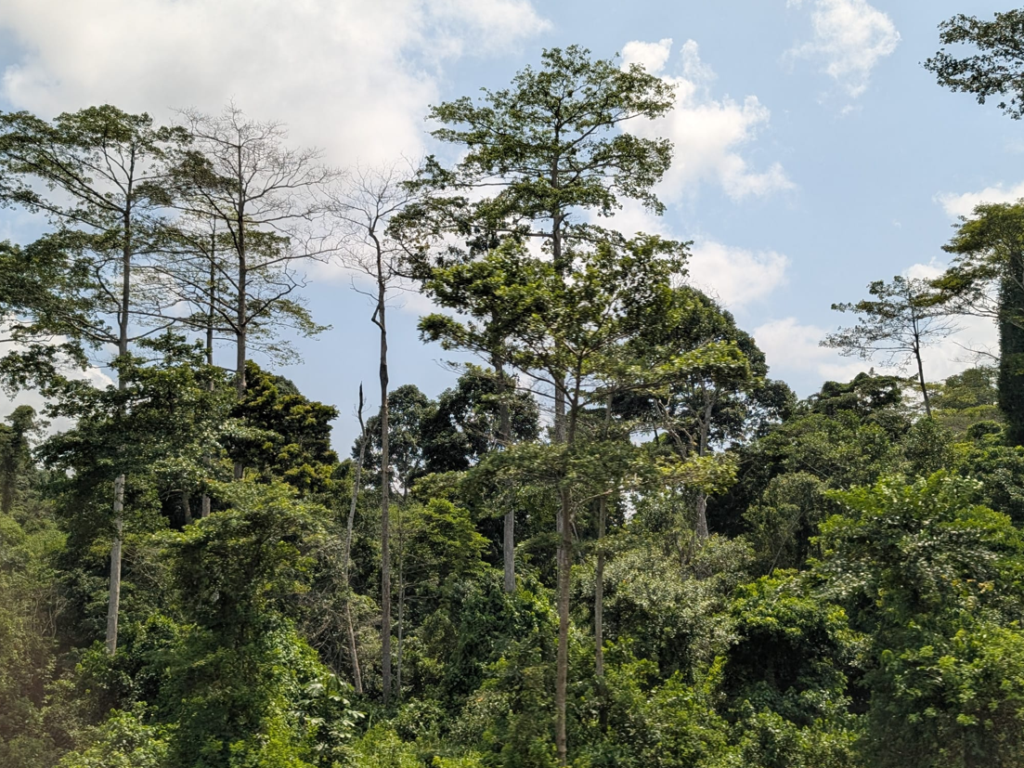
Forests in Liberia are among the last remaining intact tropical forests in West Africa. Yet increasing cocoa production and weak oversight threaten these ecosystems and the communities that depend on them.
“The scale of deforestation is colossal (…). At the current pace Liberia’s forests could follow the same path as Côte d’Ivoire’s within a decade.” (Bakary Traoré, L’association Initiatives pour le Développement communautaire et la conservation de la Forêt (IDEF)
The impact on people
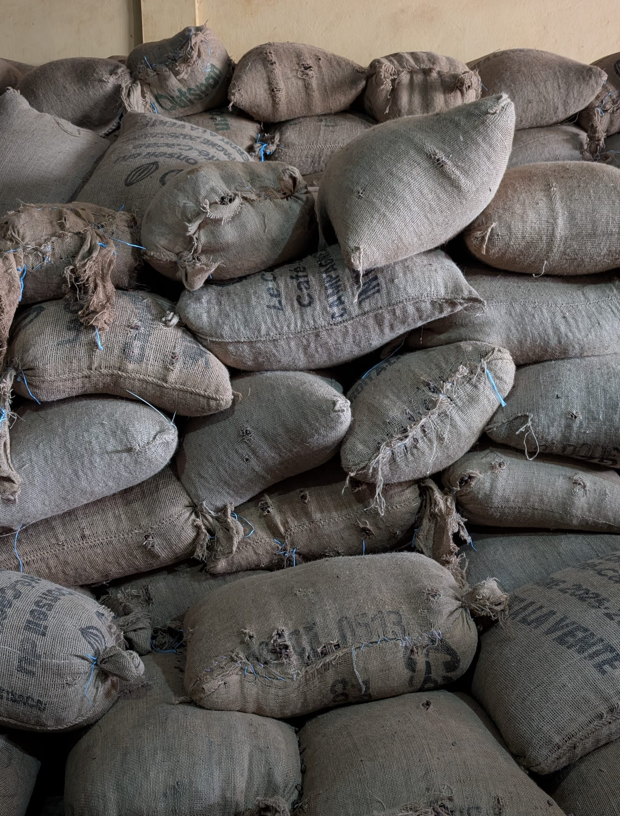
For many rural communities, forests are essential for survival. They provide food, water, medicine, and protection against climate shocks. Yet climate change is already being felt by cocoa producers: farmers in the Ivory Coast, for instance, report declining plantation productivity in recent years and increasingly intense heat during the dry season. When forests are cleared for cocoa expansion without proper safeguards, communities can lose access to land, natural resources, and long-term livelihoods.
Nevertheless, cocoa plantations are deeply embedded in local culture and economies. It is estimated that 30% of cocoa comes from protected “classified” forests – where agricultural activities are not permitted. The balance between economy and nature protection is not always an easy one. Without strong environmental rules and supply-chain transparency, the pressure to expand production can lead to land conflicts, biodiversity loss, and increased vulnerability for communities.
At the same time, European consumers increasingly expect the chocolate they buy to be produced without destroying forests or harming local communities.
The role of EU law
The EU Deforestation Regulation (EUDR) was designed to ensure that products sold on the European market are not linked to deforestation. This includes supermarkets’ staples such as coffee, chocolate, tissues and toilet paper.
The law requires companies to trace where commodities are produced and prove that they are deforestation-free and produced legally before they can be sold in the EU.
If properly implemented, the EUDR could help:
- Reduce global deforestation linked to EU consumption and support forest protection and restoration;
- Improve traceability and transparency in cocoa supply chains, making millions of smallholders visible in the value chain. This has the potential for better prices, stronger relationships, and more sustainable livelihoods;
- Strengthen accountability of companies sourcing cocoa by requiring companies to conduct due diligence and ensure compliance across their sourcing practices;
- Promote legal production of cocoa, helping curb widespread illegal practices: such as child labour, the use of unauthorised and hazardous pesticides, and fraudulent purchasing practices that prevent farmers from receiving the minimum price for their harvest.
Why weakening the law is a problem
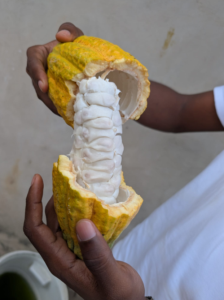
Recent discussions in the EU about delaying or simplifying the EUDR risk slowing progress towards deforestation-free cocoa supply chains.
Uncertainty around the law can weaken incentives for companies to invest in traceability and sustainable sourcing systems, while also creating the risk of stranded investments for those that have already acted in good faith to comply. It risks discouraging further progress. Companies and producers that have already invested to comply with the laws are going to see their money and efforts wasted, while the slowest-movers are being rewarded.
In producer countries, expected improvements in monitoring and legal accountability may be delayed, leaving forests and communities more exposed to unsustainable expansion. This is particularly concerning given that several countries have already undertaken significant efforts to align their domestic laws and governance systems with EUDR requirements. Further delays risk undermining the EU’s credibility as a reliable trade partner.
What’s at stake
The future of West Africa’s remaining forests and of the communities that depend on them partly depends on whether strong environmental laws are implemented and enforced.

Weakening these rules could stall the transition to sustainable cocoa production and make it harder for communities to defend their rights and their forests. Continued deforestation will worsen regional and global climate change and further compromise the viability of cocoa production in the region.
EU leaders must ensure the EUDR is implemented effectively and accompanied by support for producer countries. Will Europe take its responsibility to ensure that products sold in its markets do not drive the destruction of the world’s forests?
Press Material:
Legal materials
- ClientEarth ‘Was It Produced Legally?’ briefing document and legal briefing
Other readings
- AidEnvironment Report: analysis exposes potential forest loss linked to Mondelēz supply chains
- Global Witness Report: Chocolate giants fuel deforestation in West Africa’s last rainforest | Global Witness
- The Guardian: Cocoa planting is destroying protected forests in west Africa, study finds | Deforestation | The Guardian
- Mongabay: Cacao rush fuels conflict and deforestation in southeastern Liberia
- Alert on the supply of cacao in Liberia (2024 report)
- Liberia: West Africa’s future cocoa El Dorado (September 2025)
Footage/images to use
See here.
Latest News + Resources

Resource | 3rd Mar 2026
Case Study | Covas do Barroso lithium mine
News | 12th Feb 2026
